



We all have that well-meaning friend who tracks every health metric on their phone, yet never changes their routine, only to act surprised when next year’s annual checkup brings the same results.
Companies fall into this exact trap. They run an annual feedback survey, archive the results, and then act shocked six to twelve months later when an account is flagged as “at risk.”
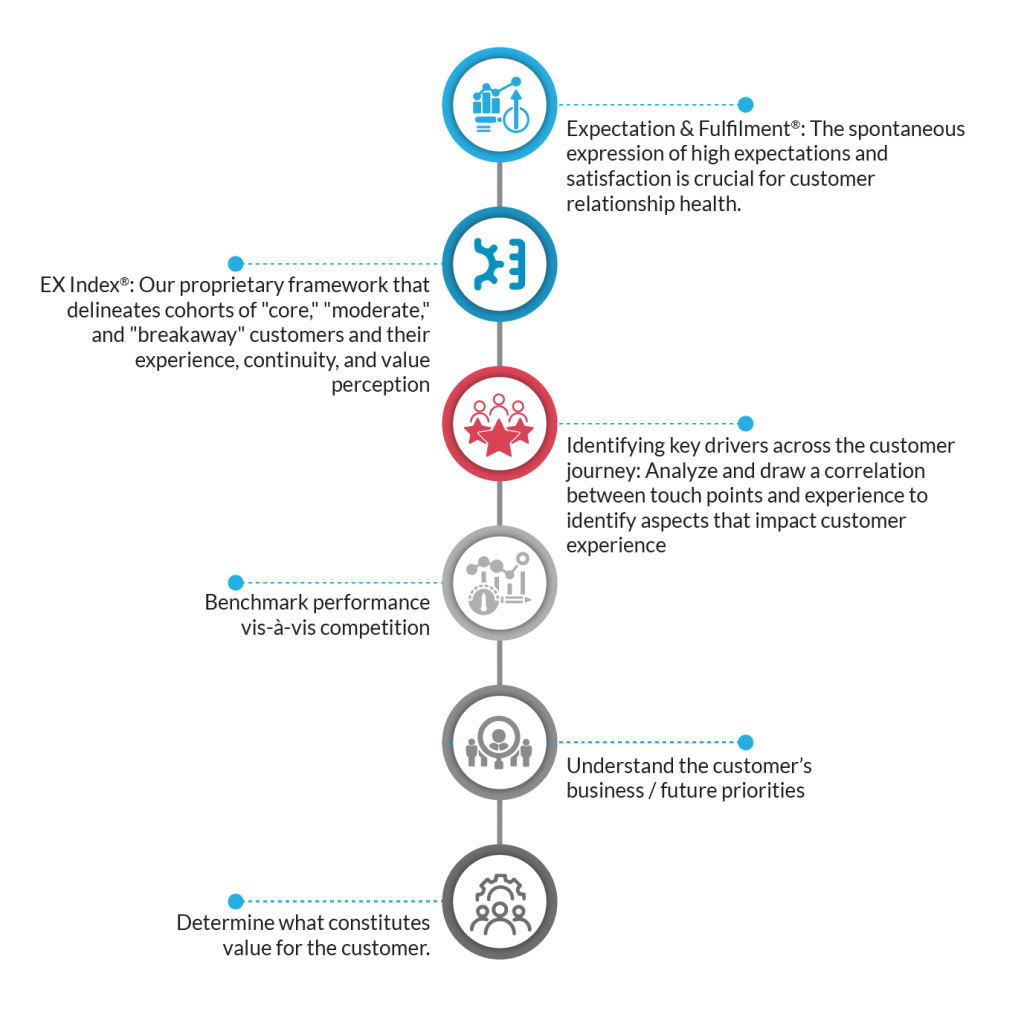
According to studies by Feedback Insights, there is an 81% correlation between customer experience and revenue recognition, which means customers rarely give you more than one or two chances to recover.
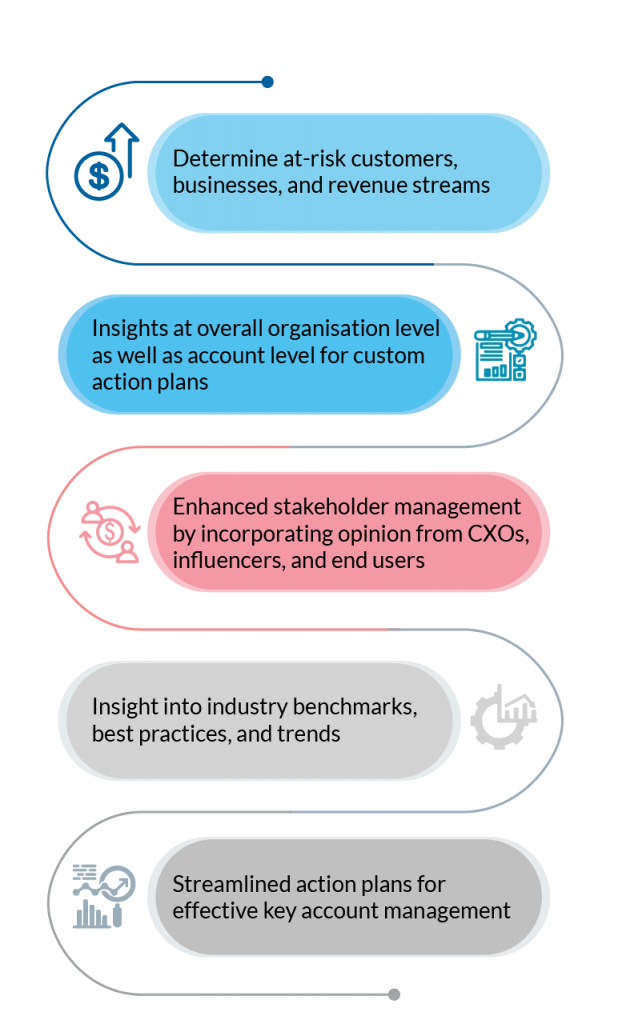
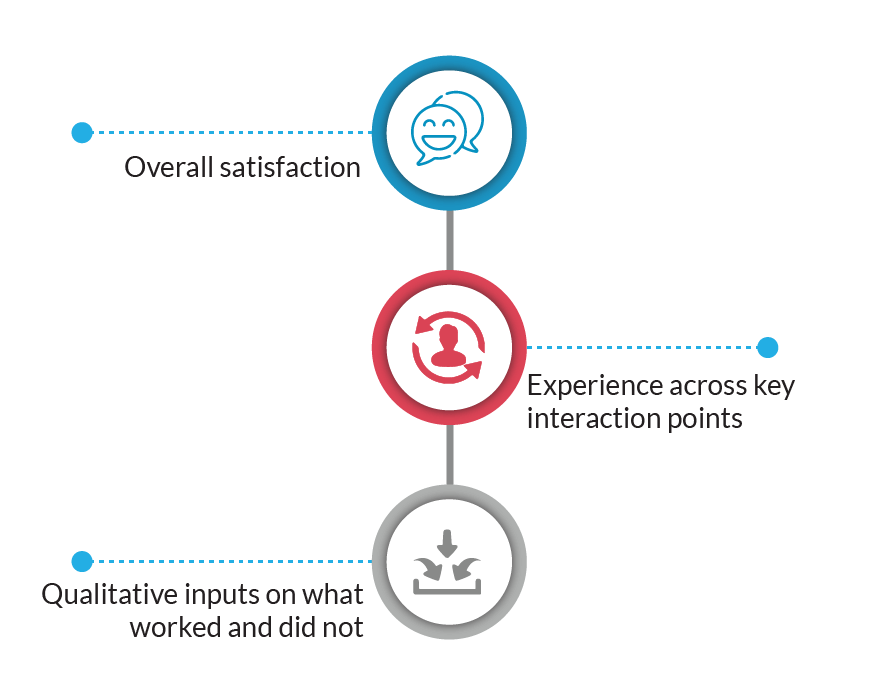
Too often, customer feedback is treated as a box-checking exercise rather than a genuine mechanism for learning and responding. Unhappy accounts quietly start dialing back their usage months before contract renewal. Meanwhile, satisfied clients are left on autopilot and leaving money on the table until an alert competitor swoops in.
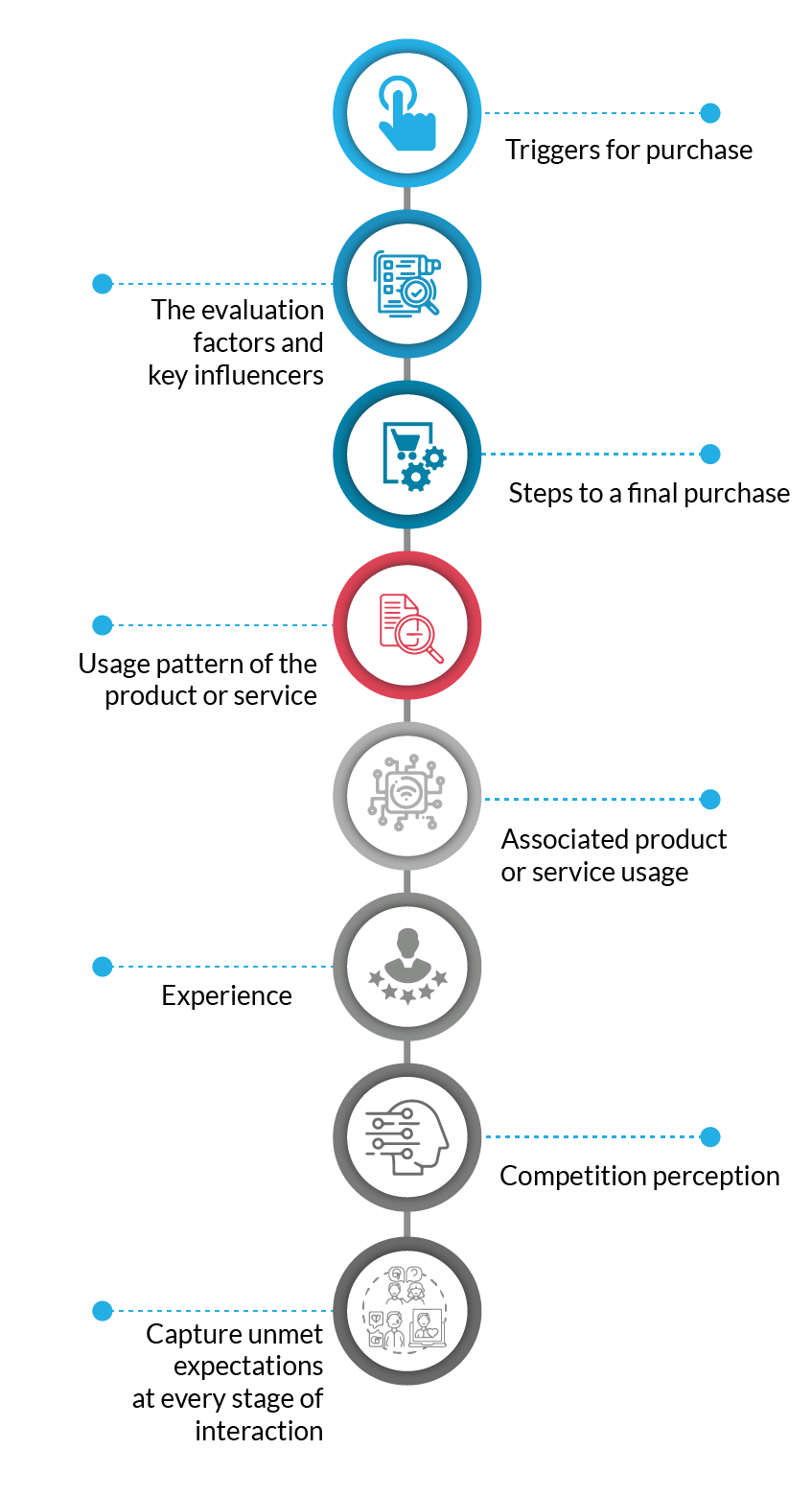
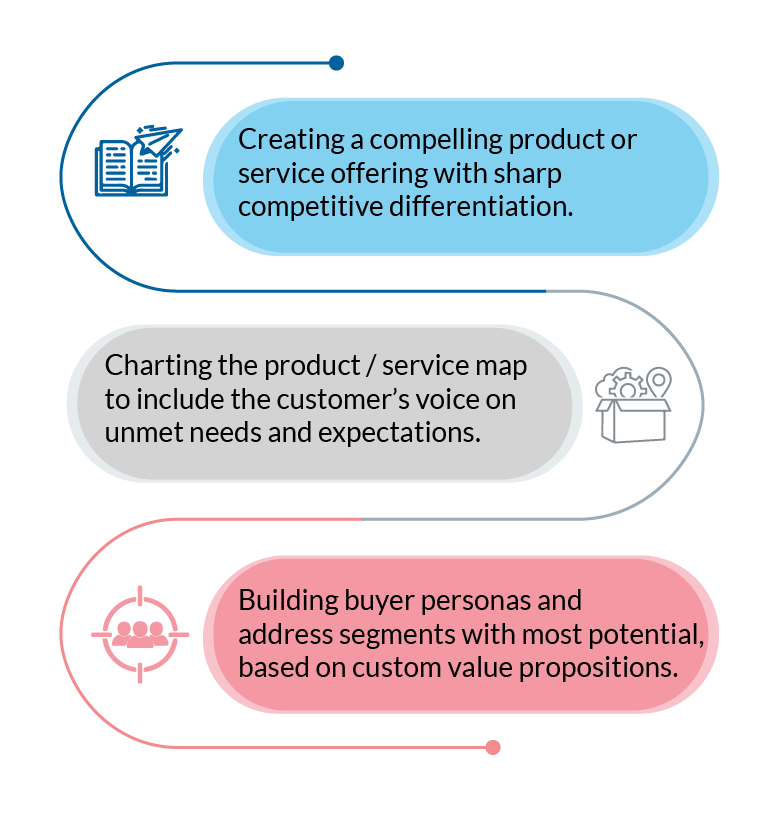
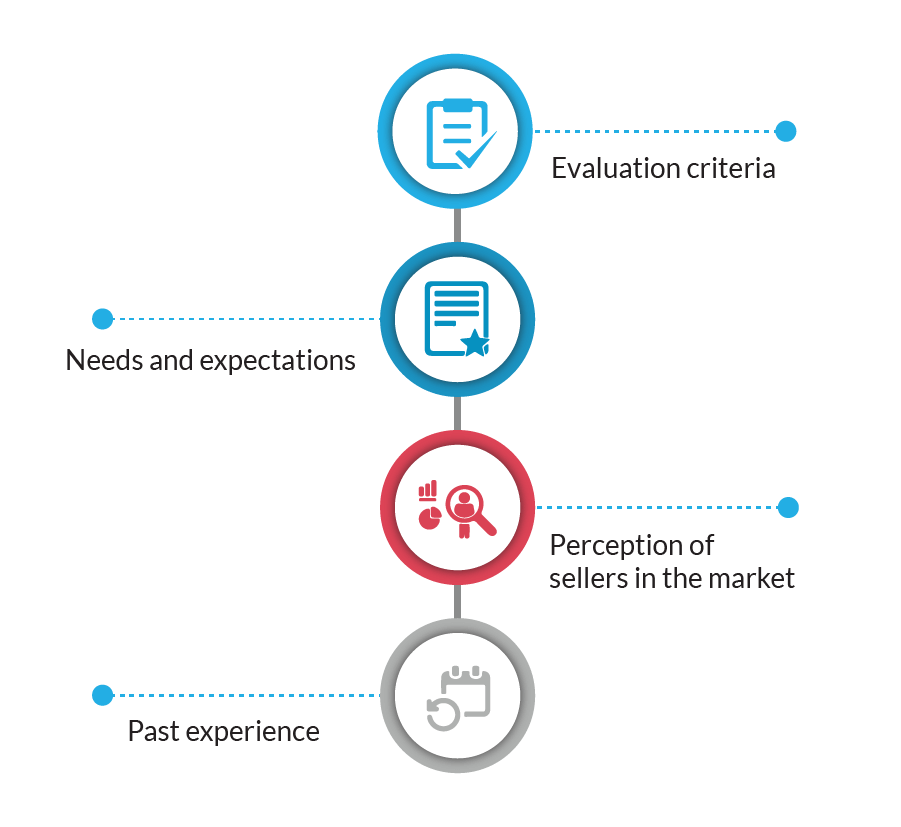
Here is the reality: most customer experience efforts don’t fail because the feedback was wrong. They fail because nobody built a setup to act on it. In a Gartner study of more than 1,000 B2B customers, 78% of B2B buyers with new business needs are as likely to choose a new provider versus continue with the existing supplier, performance is table stakes, It comes down to balancing three key areas together: performance (what happened in the past), priorities (what’s emerging next), and positioning (how you’re perceived).
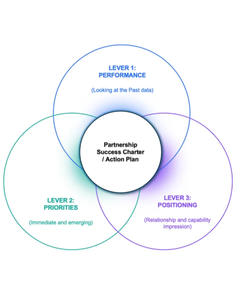
Real-World Proof
Consider a multi-billion-dollar engineering and technology services firm that was stuck in a common rut: clients viewed them as a reliable delivery vendor, but never as a strategic partner. That gap in perception was actively locking them out of bigger conversations and new opportunities.
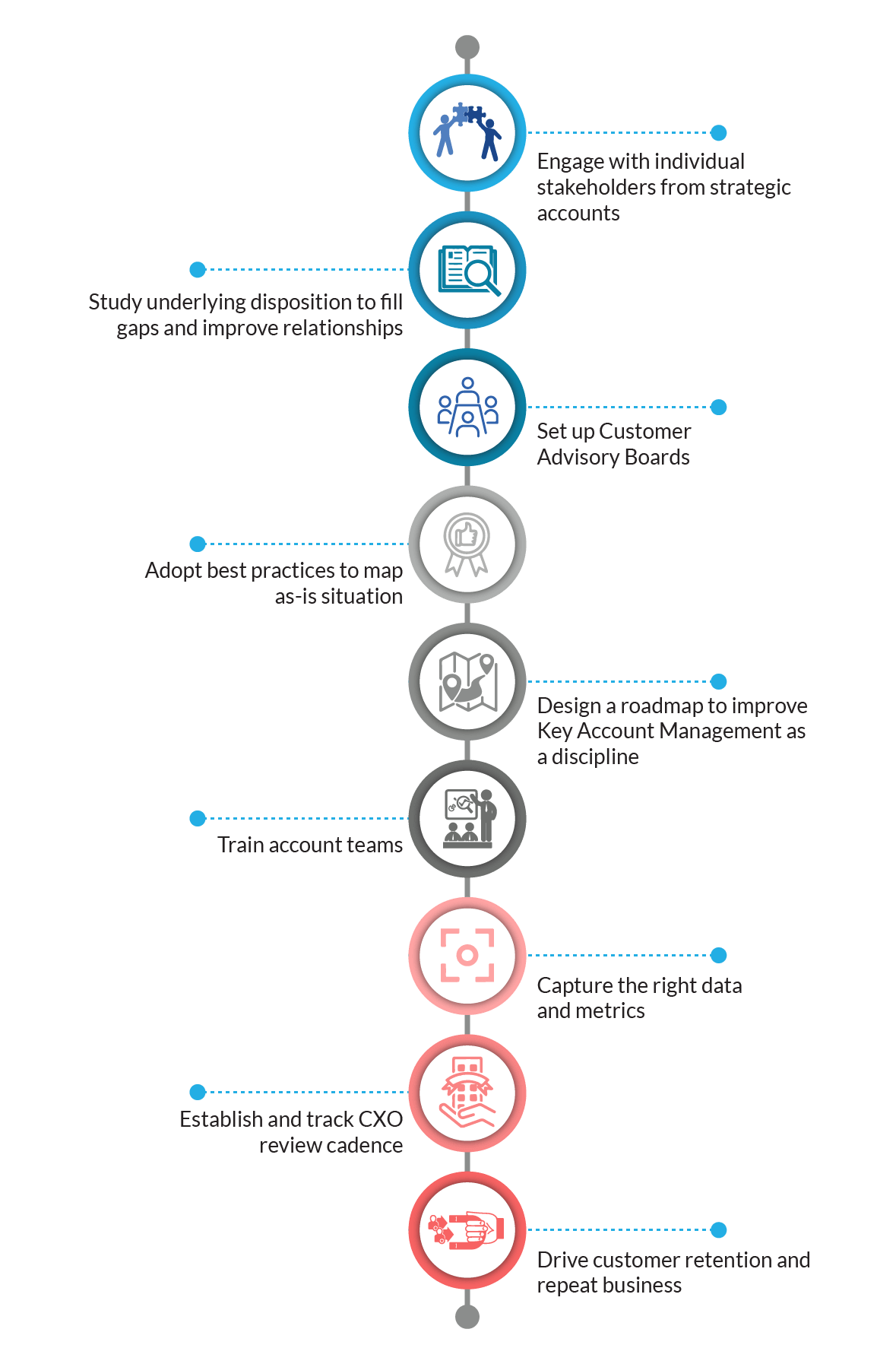
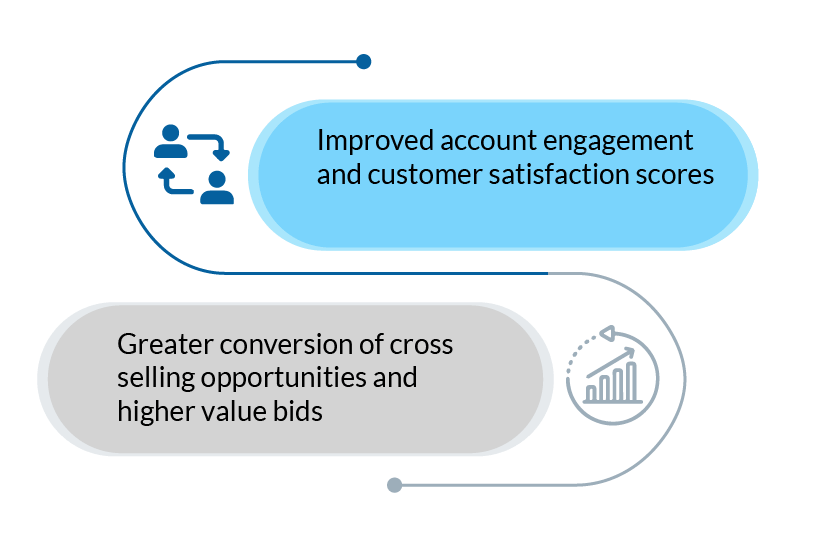
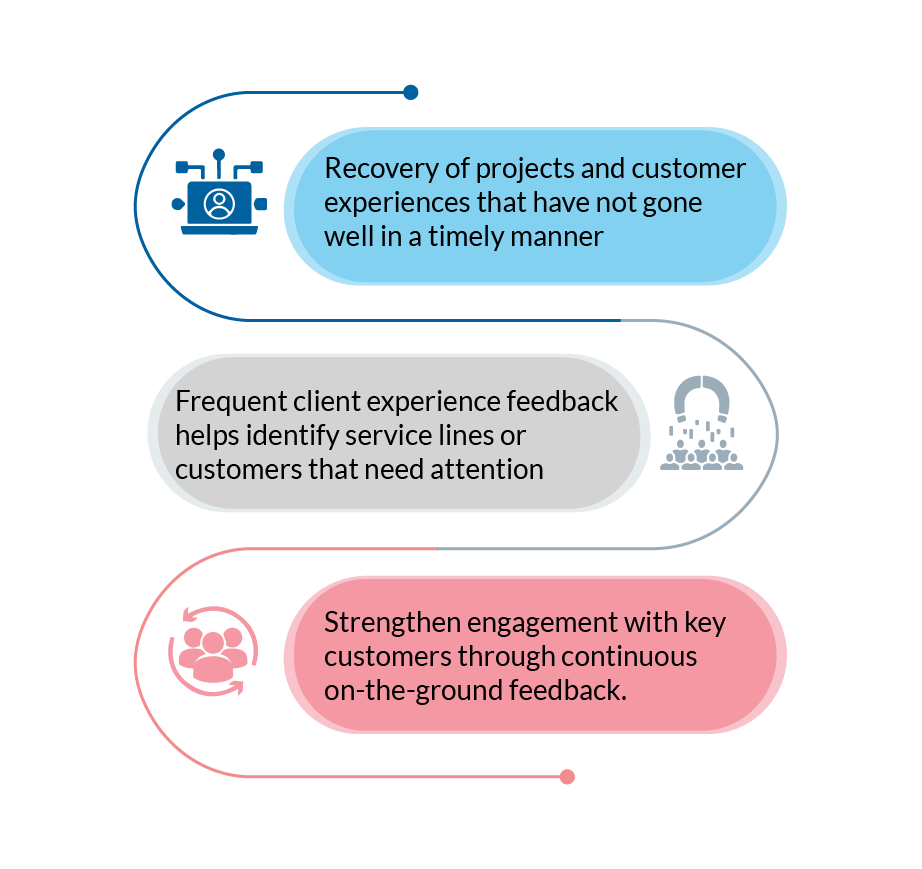
By establishing a disciplined rhythm for working through issues and moving consistently from root-cause analysis to real action; they bumped their CX score by 35 points and opened up entirely new revenue streams as a trusted advisor.
The Takeaway
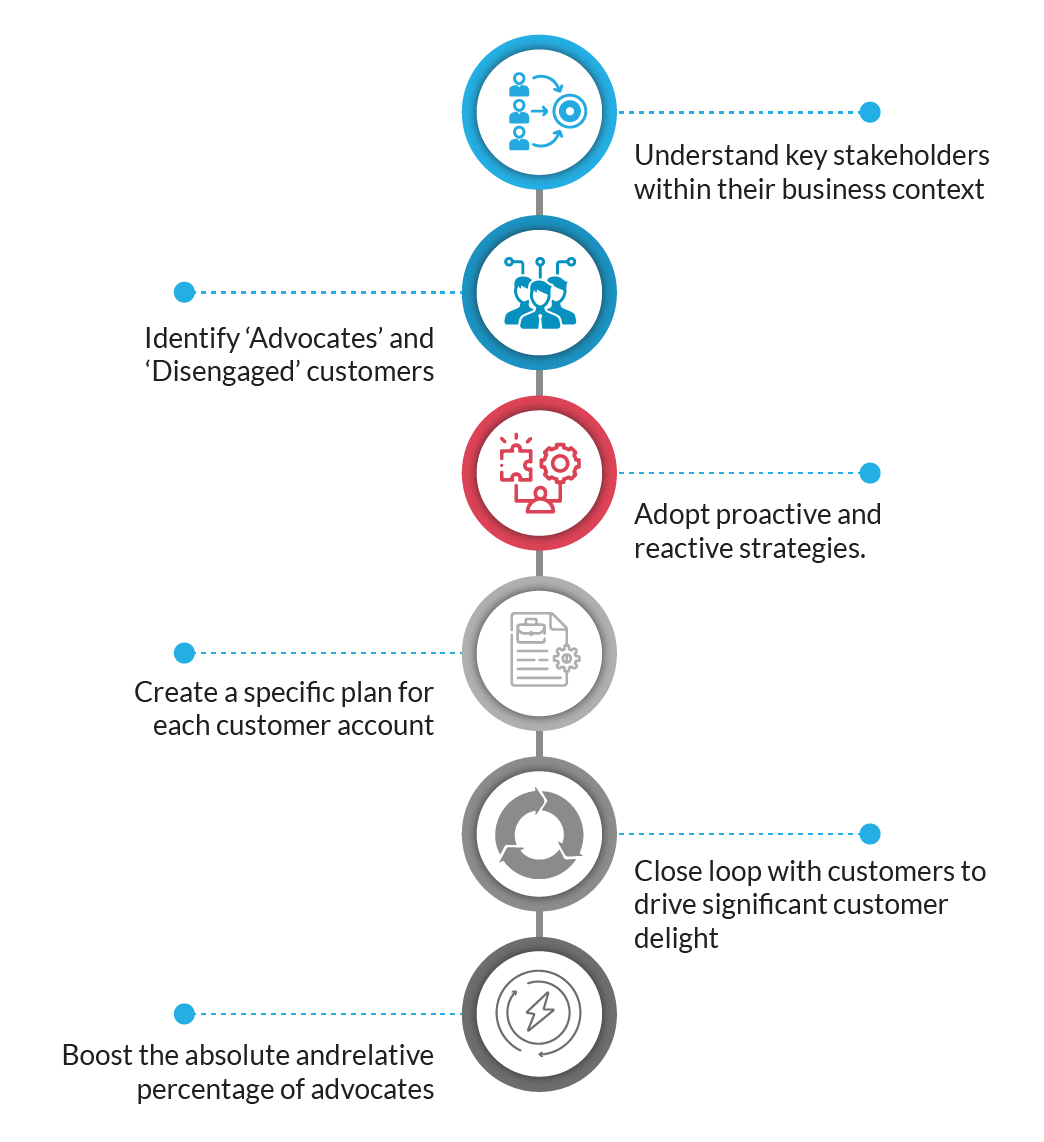
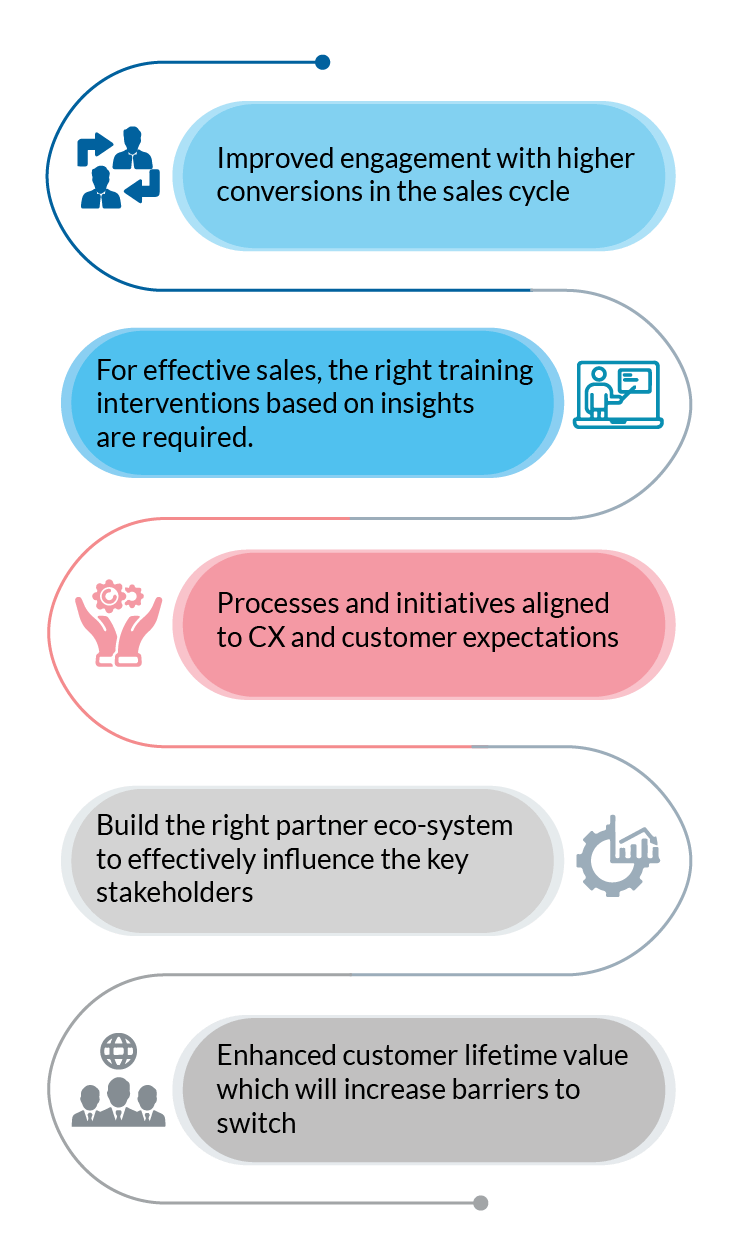
That turnaround didn’t happen because they designed a prettier survey. It happened because they refused to let customer feedback collect dust in a report, choosing instead the quiet discipline of following through. Organizations that consistently close the loop with customers see a 10–14 point improvement in engagement scores by opening an honest conversation.
Ganesh Jayaraman is Vice President at Feedback Insights with over 18 years of advisory services in Customer & Employee Experience space
Abridged version of this article on:
ANI
Business Standard
News18